
Skin and Mucosal Delivery (Focus Group – SMD)
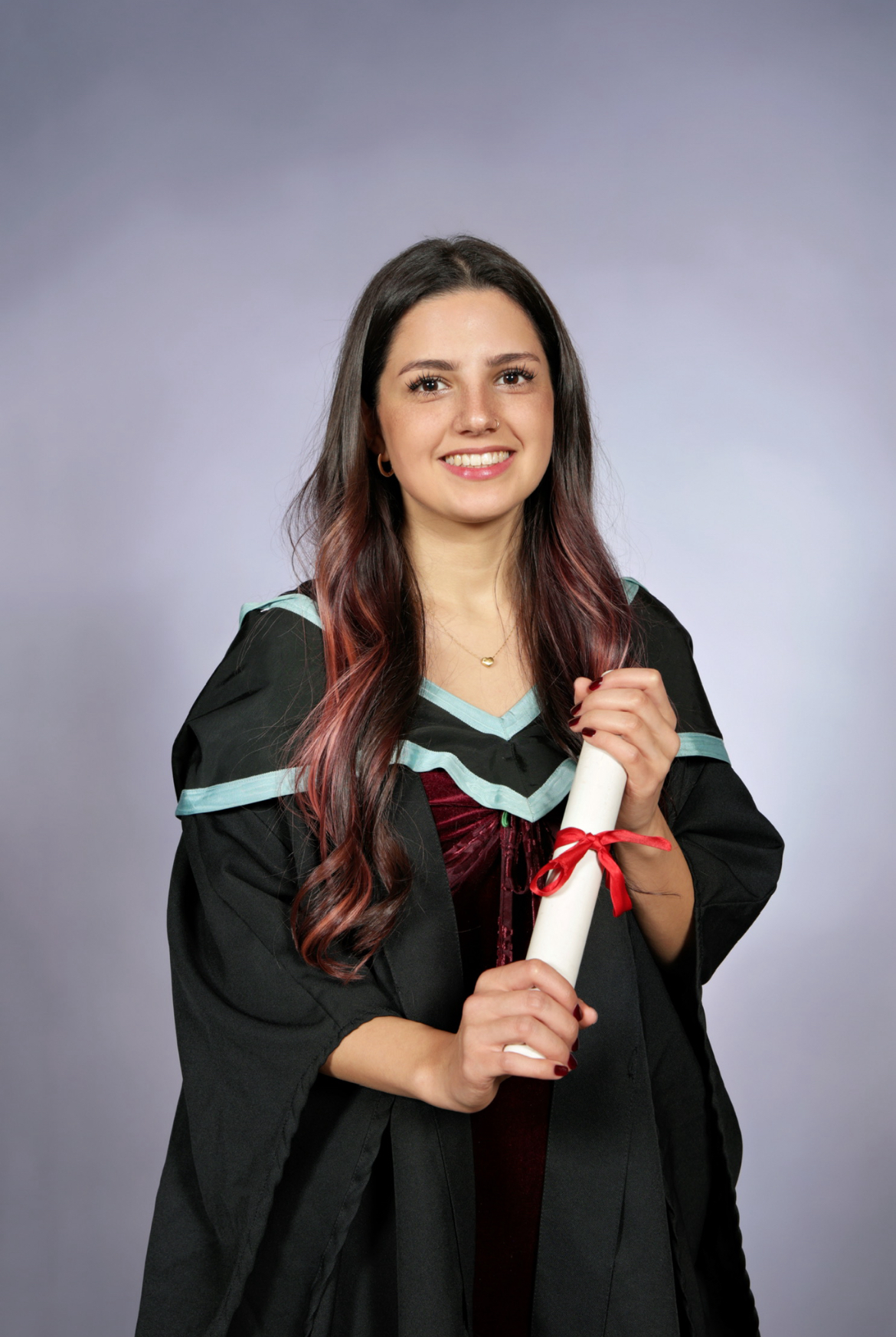
Lauren M. Liversage, N/A, BSc
PhD Candidate
Queen's University Belfast
Belfast, Northern Ireland, United Kingdom
The poor aqueous solubilities (Sw) of new chemical entities is a major drawback in the drug development pipeline [1]. Rilpivirine (RPV) like other antiretroviral agents, possesses a poor Sw [2]. In the context of microneedle (MN) drug delivery, a poor Sw is a major hinderance to the drug delivery efficiency. Herein, coamorphous systems have been employed to combat this barrier to enable the efficient delivery of RPV into the skin, whereby the temporary solubility enhancement effects are halted via disproportionation of RPV and coformer, to enable a long-acting delivery, due to a depot effect.