
Nanomedicine and Nanoscale Delivery (Focus Group – NND)
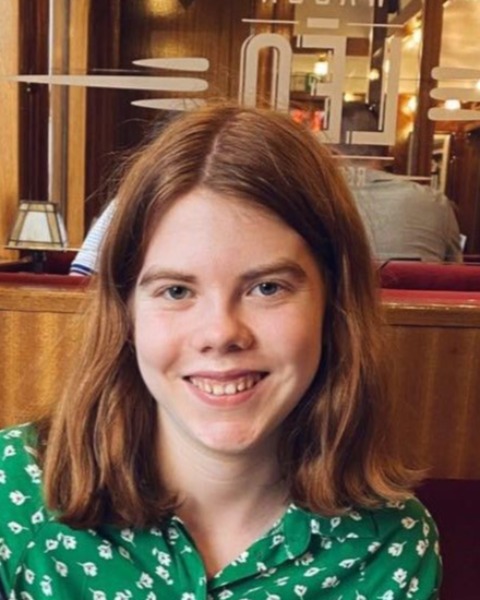
Eileen Lambrechts (she/her/hers)
PhD student
Ghent University
Ghent, Oost-Vlaanderen, Belgium
Immune checkpoint blockade (ICB) has shown success across many cancer types, yet resistance is seen due to a cold, immunosuppressive tumor microenvironment (TME). It has been reported that antihistamines can boost ICB efficacy by reprogramming tumor-associated macrophages from an M2‑like pro-tumorigenic phenotype to an M1‑like anti-tumorigenic phenotype [1]. Many antihistamines are cationic amphiphilic drugs (CADs), small molecules with a hydrophilic and hydrophobic moiety, that can improve RNA delivery by promoting endosomal escape [2]. This project investigates the combination of RNA-loaded lipid nanoparticles (LNPs) and antihistamine CADs to achieve targeted delivery to the TME.